
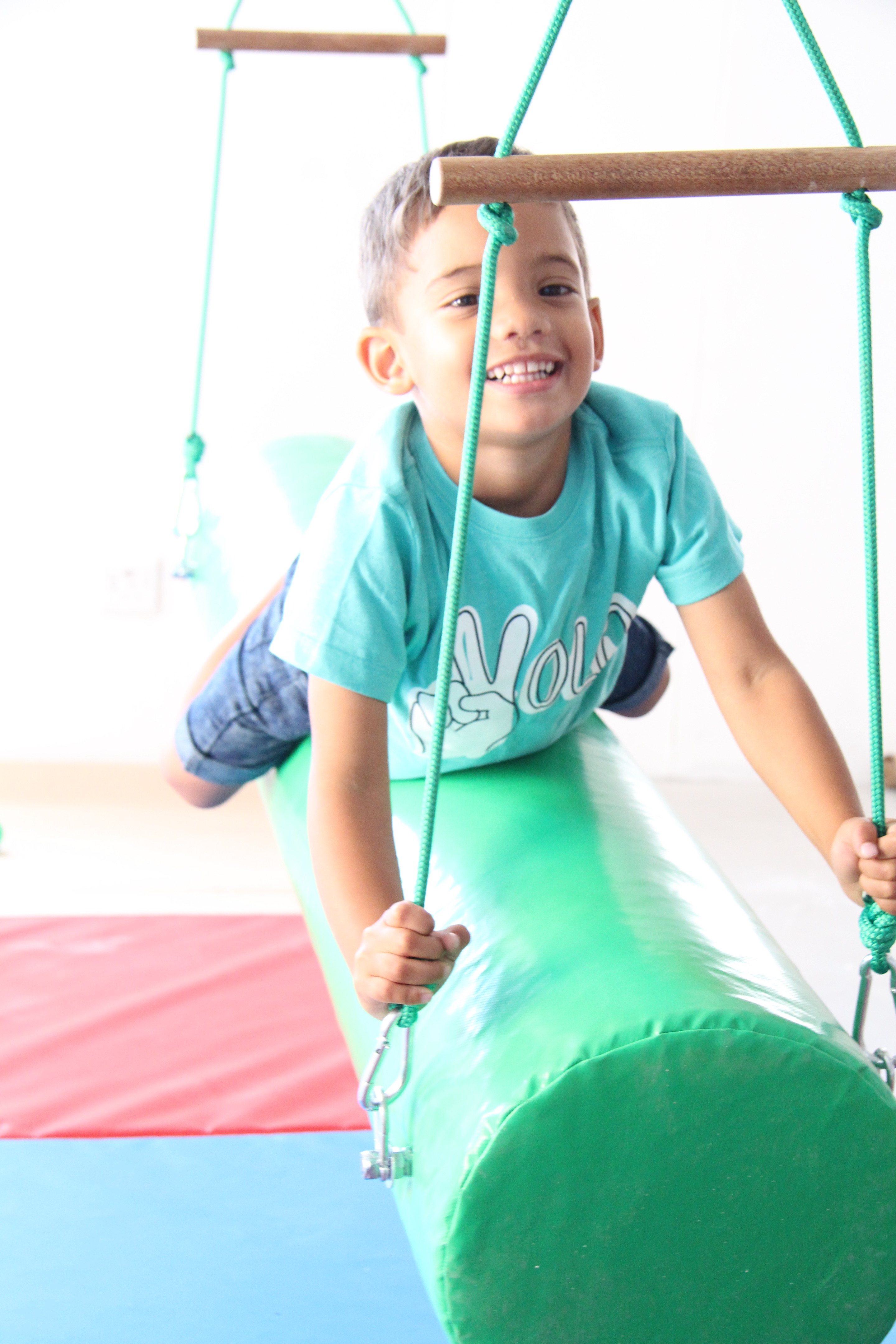
Like Mary Poppins is the mother of all things fun and imagination, Dr Jean Ayres is the mother of sensory integration. Dr Jean Ayres gave light and understanding to our sensory systems. These sensory systems include sight, hearing, touch, smell and taste. She even went above and beyond to incorporate movement and body awareness in this understanding. I will go into more detail about the different sensory systems in future blogs.
Many people often ask about sensory integration and how has it become a buzz term. Simple, its always been around since the days of Dr Jean Ayres. A lot of research was done to understand better how we use our sensory systems to help us function optimally in our environments. To use an analogy, we all have to process different sensory input throughout the day. This includes the sound of people around us, the light from outside, our movements etc. So imagine all the sensory input coming into our brain as cars on the highway. All are happening at different speeds and directions, but some may struggle to integrate all these different sensory stimuli at once correctly. This causes a traffic jam in the brain when all the input knocks each other instead of flowing in an integrated way.

Now a traffic jam when you are sitting in the car is not fun. Just imagine a traffic jam in your head.
When your child is referred to OT for sensory integration therapy, this means that the OT will help your child manage the sensory input coming into their brain and adjust to sensory input to regulate themselves. A child who has difficulty regulating themselves will have poor reactions to everyday life. The OT will work on how your child registers sensory input, how they modulate sensory input, and how they discriminate sensory input.
Registration of sensory input is an important starting point because it is when the child detects the sensory input. Does your child register that you are calling them? Does your child register that they knocked the table? Does your child register that the food is spicy? Does your child register that things are happening around them? It is important to note that this is not the conscious ignoring of sensory input.
Modulation is often linked to behaviour as it is what we see when a child responds to sensory input. So how do they adjust and organise themselves based on the sensory input? Registration is one of the first phases of modulation. Some children may avoid being touched and have a meltdown if someone stands too close to them. Some children may not like too much movement and spinning around makes them feel sick. Some children may not even react being spun around.
Discrimination is how a child perceives the sensory input coming in and then use this sensory input to engage in their environment. This is when the OT looks at how each sensory system of the child perceives sensory input—for example, looking at the postural control, clumsiness, organisation and visual-spatial skills.

You do not need to know everything about sensory integration to help your child. What you do need to know is how your child experiences these sensory integration difficulties- which can be different for all children. Sensory integration is a complex topic. The blogs to follow will look at each system and how sensory integration difficulties may occur within each system.
I look forward to unpacking this in more detail with you. Please feel free to comment or ask questions!
DISCLAIMER: The information shared above is based on current research and my own personal experiences. I do my best to share correct and relevant information with you. This is not to say that my view is the only view. As times are always changing, we need always be learning and keeping up to date with the latest research. I am merely sharing some basics and tips that can be done at home. If your child does have their own therapist, please check the tips with them to make it a collaborative approach to your child's development.